





Jockey

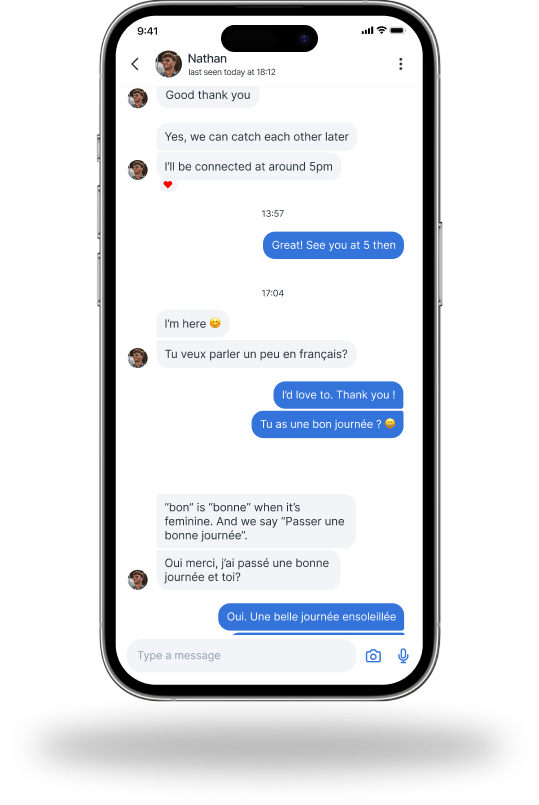
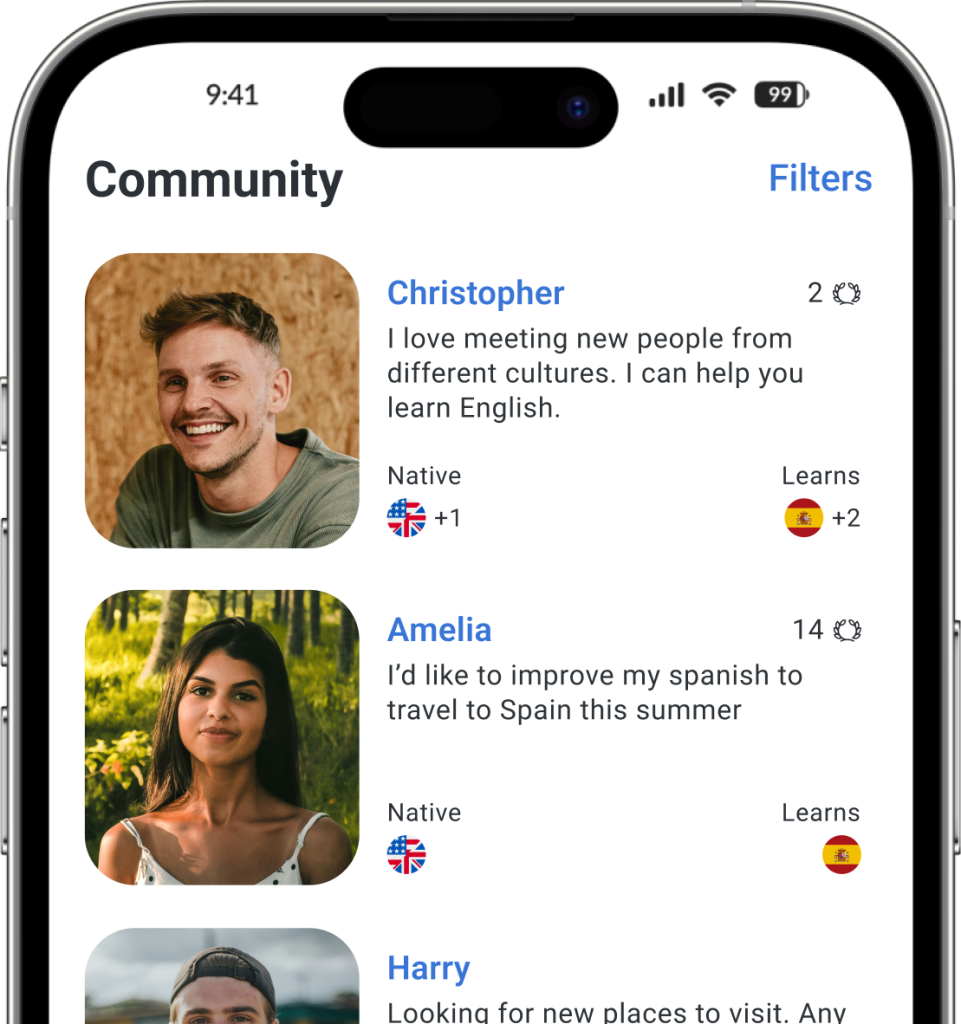
Speaky is a free language exchange platform that allows you to learn languages from native speakers and make new friends around the world. Join our community and start your language learning journey today!

Inside the Speaky Community

Join the community of 5 million language learners who have achieved success with Speaky and connect with native speakers to immerse yourself in a world of cultural experiences.

Explore the world with Speaky's app!

Meet new people and find the perfect language partner for you

It’s not just about finding language partners; it’s about creating meaningful connections with people who share the same interests and goals as you.

jockey

Speaky makes language learning and cultural exchange accessible to everyone. 

jockey

The world at your fingertips

Take the whole world with you, anywhere, anytime, as you connect with language partners around the globe, breaking down learning barriers.

Boost proficiency through practice

Practice speaking, writing, and listening with your language partners to improve your language skills.

jockey

Explore our blog and expand your knowledge

Jockey

A jockey is often described as the "coach on the field." Before the race, they study the past performances of every horse in the field. They memorize the track biases (does the rail favor speed or closers?) and the running styles of their competitors.

: Many jockeys utilize rigorous diets, saunas, and intense exercise to "make weight," which has led to significant research into long-term bone health and metabolic impact. [5, 16, 18] jockey

: It allows developers to "time travel" through execution logs to find bugs in long-running or distributed programs by rewriting system calls and CPU instructions [3]. Suggested Paper Structure (Athletic Focus) Content Description Introduction A jockey is often described as the "coach on the field

: Professional jockeys typically must maintain a weight between 100–120 lbs (45–55 kg) Force Management : During a race, jockeys handle stirrup forces of up to 2.7x their body weight Health Risks : Discuss the high risk of eating disorders [5, 16, 18] : It allows developers to

Tags: Horse Racing, Jockey Life, Athletes, Kentucky Derby, Sports Psychology

Start your language learning journey today!

Improve your language skills while making meaningful connections with real people around the world. Turn each conversation into a personalized learning experience, tailored to your goals.

Download the app and unlock a world of conversations!

Frequently Asked Questions (FAQ)

jockey

A jockey is often described as the "coach on the field." Before the race, they study the past performances of every horse in the field. They memorize the track biases (does the rail favor speed or closers?) and the running styles of their competitors.

: Many jockeys utilize rigorous diets, saunas, and intense exercise to "make weight," which has led to significant research into long-term bone health and metabolic impact. [5, 16, 18]

: It allows developers to "time travel" through execution logs to find bugs in long-running or distributed programs by rewriting system calls and CPU instructions [3]. Suggested Paper Structure (Athletic Focus) Content Description Introduction

: Professional jockeys typically must maintain a weight between 100–120 lbs (45–55 kg) Force Management : During a race, jockeys handle stirrup forces of up to 2.7x their body weight Health Risks : Discuss the high risk of eating disorders

Tags: Horse Racing, Jockey Life, Athletes, Kentucky Derby, Sports Psychology